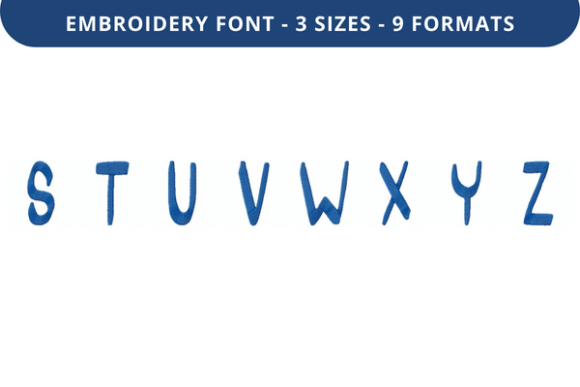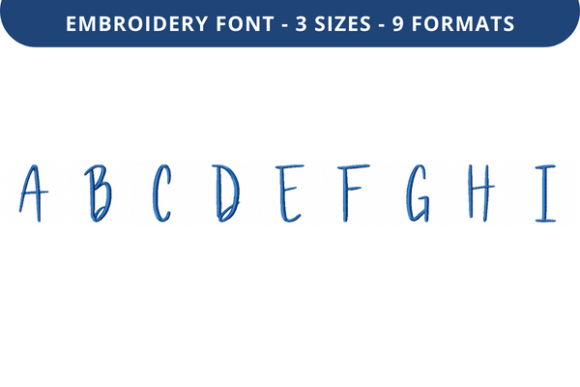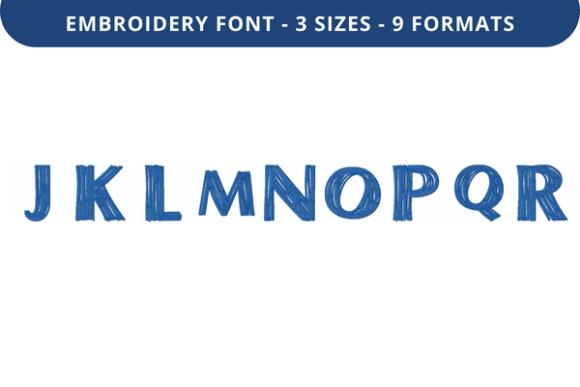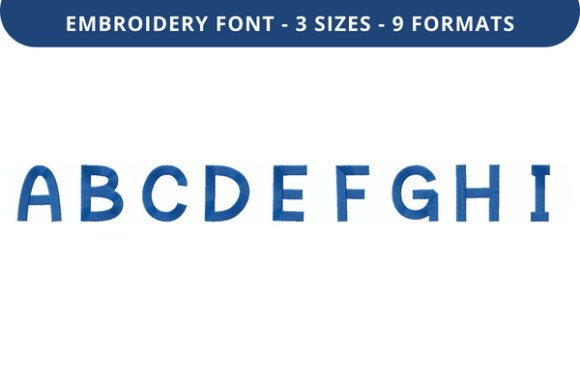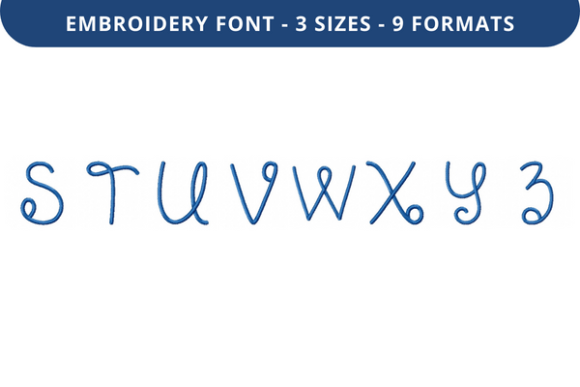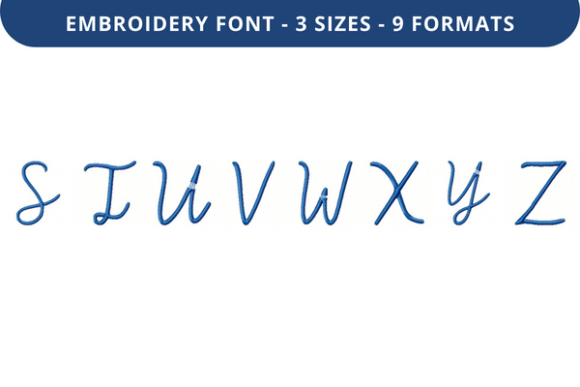
Melinoe Font Uppercase S to Z
First Impression: Clean, Confident, and Quietly Premium
As an embroidery designer who’s prepped over 200 craft fair booths—and shipped thousands of embroidered tote bags, aprons, and tea towels—I opened Melinoe Font Uppercase S to Z expecting a polished, versatile workhorse. That’s exactly what I got. It reads as modern-minimal with subtle decorative lift—think crisp lines, balanced proportions, and just enough character to feel intentional without veering into fussy. It’s not cutesy or cartoonish; it’s not ultra-thin or overly ornate. It lands in that sweet spot where handmade quality meets quiet confidence—ideal for small shop owners who want their products to look thoughtfully designed, not mass-produced.
Where It Shines on Craft Fair Products
Melinoe Font Uppercase S to Z excels when used intentionally—not as filler, but as signature detail. On a natural linen tote bag? Perfect for a single name or monogram near the bottom hem: legible from three feet away, elegant at scale, and photogenic under booth lighting. On a cotton apron? Pair it with a simple botanical motif above the pocket—Melinoe Font Uppercase S to Z handles the “Sarah” or “Est. 2024” with clarity and calm authority.
For tea towel embroidery, this machine embroidery design holds up beautifully—even on textured terry or waffle weave—because its letterforms avoid ultra-fine serifs or tight interior curves that snag or blur. As an embroidered patch? Yes, but only at 2.5" height or larger. Below that, the spacing between letters begins to compress visually, and stitch density can flatten definition on dark fabric. On caps? Use with caution: test hoop placement first. The clean geometry works well on structured front panels, but avoid curved crowns unless you’re using a cap frame and high-stability cutaway stabilizer.
Pillow covers and fabric pouches are where Melinoe Font Uppercase S to Z quietly outperforms trendier fonts. Its even weight distribution means it doesn’t “sink” into plush fabrics or disappear against busy prints. And for Back To School items—think personalized lunch totes or teacher appreciation pouches—it conveys warmth without childishness. A student’s name stitched in Melinoe Font Uppercase S to Z feels mature, intentional, and gift-ready.
What Makes It Sell on Etsy and at Market Booths
This isn’t just another digital embroidery file—it’s a repeatable design asset with strong visual hierarchy. At a glance, customers recognize it as *handmade*, not printed. Why? Because the consistent stitch density and smooth transitions between strokes read as carefully digitized—not rushed or auto-traced. That perception directly lifts perceived value. Buyers don’t pay more for “embroidery”; they pay more for *intentional craftsmanship*. Melinoe Font Uppercase S to Z delivers that signal without shouting.
For Etsy sellers, it photographs exceptionally well. No harsh shadows, no thread pooling, no fuzzy edges—just clean contrast between thread and fabric. That translates to stronger listings, better mockup integration, and higher conversion. When paired with neutral thread colors (oatmeal, charcoal, deep navy) on natural fabrics, it becomes instantly cohesive across product categories—making your booth or shop gallery feel branded, not scattered.
Production Realities: What You Must Test Before Batch Runs
Don’t skip the real-world check. Even high-quality embroidery files need validation in context. Here’s what I tested—and recommend you do too:
- Stabilizer match: Medium-weight tear-away works for quilting cotton and linen; switch to cutaway for knits or textured tea towels.
- Fabric texture test: Run a sample on your exact tea towel weave—some dense waffles cause slight letter distortion if stitch density isn’t dialed back slightly.
- Thread contrast: On dark fabric, use matte polyester thread—not rayon—to prevent glare that obscures letter shape.
- Hoop size & spacing: Confirm minimum recommended hoop size before digitizing full names. Tight kerning may require re-spacing for longer words like “STUDENT” or “SUMMER.”
- Commercial licensing: Verify usage rights before selling finished products—this is a machine embroidery design intended for commercial embroidery, but always confirm scope with the source.
Careful-Use Notes Every Designer Should Know
Melinoe Font Uppercase S to Z is forgiving—but not magic. Avoid stitching it smaller than 1.75" tall on thick fabrics (like canvas market bags), as interior counters (like in “O,” “Q,” “B”) may fill in or lose distinction. On curved surfaces (caps, curved pouch seams), reduce stitch density by 5–8% to prevent puckering. And never assume it’ll read clearly on black denim or charcoal fleece without testing thread brightness and stabilizer support.
Also: this font shines brightest when used *sparingly*. It’s not meant for full quotes across a tote bag front—that’s where it loses impact. Instead, treat it like a signature: one name, one date, one word (“SUNNY,” “SWEET,” “SAGE”). That restraint makes it memorable, scalable, and effortlessly premium.
Why It Strengthens Your Handmade Brand—Not Just Your Booth
At craft fairs, attention is fragmented. Melinoe Font Uppercase S to Z cuts through because it feels both familiar and distinctive—like handwriting refined by intention. It supports brand consistency across product types without requiring custom logos. Use it on a patch, a pillow cover, and a tea towel, and customers subconsciously register cohesion. That builds trust—and repeat buyers.
For small shop owners and digital sellers, it’s also a smart inventory lever. One embroidery file becomes dozens of small shop products: embroidered patches sold individually, personalized totes made-to-order, limited-run aprons for local teachers, or gift-ready pouch sets for Back To School. Its versatility means less design overhead and more time spent stitching, selling, and connecting—with real people, not just pixels.
Final Thought: A Design That Works as Hard as You Do
Melinoe Font Uppercase S to Z isn’t flashy—but it’s reliable, refined, and rooted in real production sense. It respects fabric. It honors thread. And it gives your handmade product the quiet confidence that turns browsers into buyers. Before your next craft fair, run one test piece. Then stitch it onto a tote, a patch, and a tea towel. See how it moves across textures, scales, and contexts. You’ll understand why this machine embroidery design belongs in every serious embroidery business’s core design assets.