Leaves and Flowers Border Review
A Thoughtful First Impression for Boutique Apparel Designers
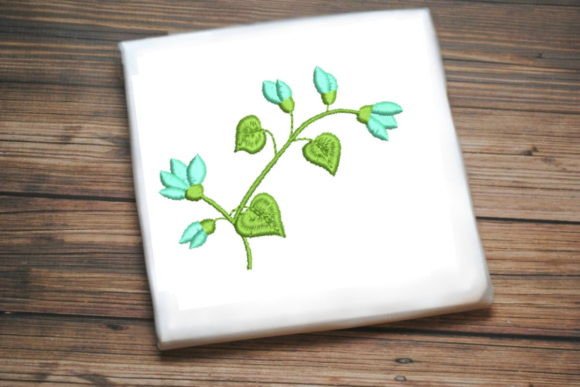
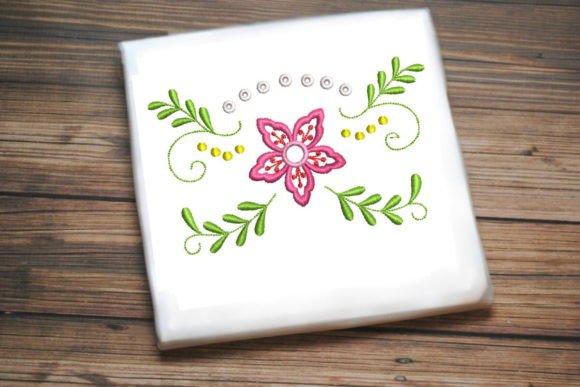
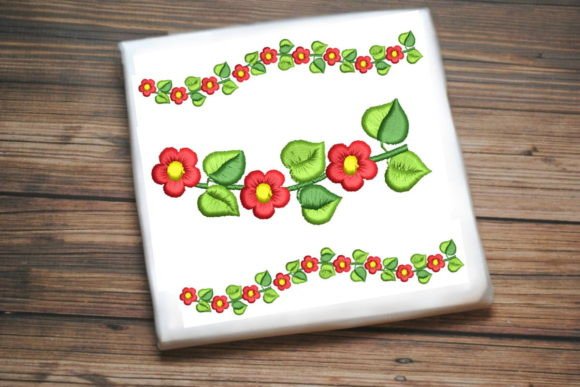
As an embroidery designer who’s developed collections for small clothing brands, Etsy sellers, and lifestyle boutiques for over a decade, I opened Leaves and Flowers Border with quiet anticipation—not hype. What stood out immediately was its balanced visual personality: neither overly fussy nor too minimal. It reads as elegant but approachable, with soft botanical curves that suggest femininity without leaning into cliché. The stitching mood feels calm and intentional—like a hand-drawn sketch translated thoughtfully into stitch. There’s just enough detail to read beautifully on apparel, but not so much density that it overwhelms lightweight knits or compromises drape. For a borders category design, it strikes a rare middle ground: decorative strength without visual weight. It doesn’t shout—it invites closer looking.
How It Performs Across Real Apparel Projects
I tested Leaves and Flowers Border across several garment types common in boutique collections: neutral heather sweatshirts, blush cotton hoodies, charcoal French terry, midweight denim jackets, and organic cotton tote bags. On a classic crewneck sweatshirt, placed subtly along the left chest (just below the shoulder seam), it added refined texture without competing with the garment’s relaxed silhouette. For hoodie chest placement, the border’s gentle arc mirrored the natural curve of the chest panel—no distortion, no puckering. As a sleeve accent on a cropped hoodie? Delightful. It framed movement without restricting fabric stretch.
On dark apparel—especially deep navy or black fleece—the design held up remarkably well when paired with high-contrast thread colors like ivory, warm taupe, or muted sage. Its openwork rhythm allowed the fabric’s texture to breathe, avoiding the “plastic patch” effect some dense borders create. For oversized garments, I used it as a back design along the neckline edge: elegant, scalable, and inherently flattering. And on t-shirts? With light stabilizer and careful tension tuning, it stitched cleanly—even on ringspun cotton with subtle slub.
Where It Adds Quiet Value to Your Brand
Leaves and Flowers Border isn’t flashy—but that’s precisely why it elevates boutique branding. In lifestyle product photos and printable mockups, it adds artisanal warmth without distracting from the garment’s cut or fabric story. For Etsy sellers, it supports visual consistency across listings: imagine it repeated as a subtle hemline trim on matching sweatshirt-and-tote sets. Social media graphics feel cohesive when this same border frames product shots or captions. Most importantly, it signals intentionality—a hallmark of professional presentation that builds buyer trust. Customers don’t just see decoration; they sense care, craft, and attention to how embroidery lives *on the body*, not just on the hoop.
Smart Placement Considerations for Sweatshirt Embroidery & More
This isn’t a one-size-fits-all border. Its grace lies in thoughtful application:
- Small chest placement: Works best when scaled to 3–4 inches wide—enough presence without crowding.
- Dense stitch areas: Avoid layering directly over seams or thick pocket hems unless you’ve tested stabilizer support.
- Stretchy fabric: Use tear-away + light cutaway combo on ribbed cuffs or waistbands to prevent distortion.
- Fleece & French terry: Requires medium-weight cutaway stabilizer—this design’s open structure shows every fiber shift if under-supported.
- Curved surfaces: Stitches smoothly along rounded edges (like hoodie hoods or bag gussets) thanks to its organic flow—no forced geometry.
- Dark garments: Confirm thread color contrast early—matte polyester or rayon threads enhance depth better than glossy alternatives.
Practical Designer Notes Before You Stitch
Before committing to production, treat Leaves and Flowers Border like any professional machine embroidery design:
- Test on scrap fabric cut from your actual garment batch—not just generic cotton swatches.
- Check stabilizer choice against both fabric weight and stitch density. This design’s airy layout still needs foundation on unstable knits.
- Review thread color contrast under natural and artificial light—some tones mute unexpectedly on heathered fabrics.
- Confirm hoop size compatibility with your embroidery machine and intended placement (e.g., chest vs. back).
- Inspect stitch density visually—not just in software. Some floral elements may require minor trimming post-stitch for crispness on plush fabrics.
- Test on similar garment fabric, especially if using eco-blends or performance knits with unique recovery rates.
- Compare placement options digitally first—try mirroring or rotating the border to suit asymmetric cuts or curved hems.
- Check Creative Fabrica product details thoroughly: file formats included, recommended applications, and licensing terms before selling finished apparel.
Final Thoughts for Creative Entrepreneurs
If you’re building a custom apparel line rooted in quiet sophistication—not trend-chasing—Leaves and Flowers Border is a quietly powerful tool. It supports storytelling without overshadowing your garment’s integrity. For the Etsy seller curating seasonal capsule collections, it bridges spring florals and earthy autumn palettes with ease. For the small shop product developer, it offers versatility across sweatshirt embroidery, hoodie design, tote bag embellishment, and even cozy seasonal layers like knit cardigans or waffle-weave robes. As a digital embroidery file, it delivers consistent results—no surprises, no reworks—just reliable elegance stitched into every piece. That kind of consistency is what transforms a handmade product into a recognizable, trusted brand.