Elegant Blue White Flower
First Impressions: Delicate, Timeless, and Quietly Confident
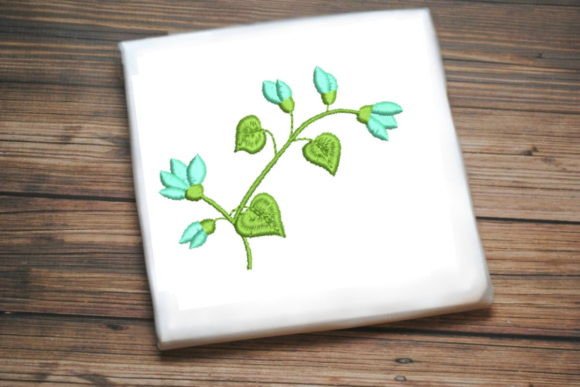
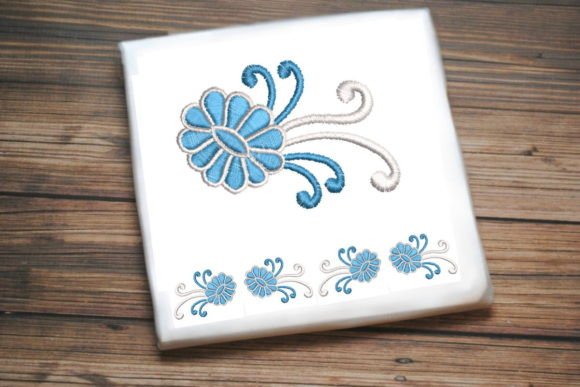
When I opened Elegant Blue White Flower for the first time, I didn’t see “just another single flower.” I saw a design that breathes calm sophistication — clean petal curves, balanced negative space, and a subtle hierarchy of stitch types that suggest thoughtfulness, not just automation. It’s not fussy or overly detailed, but it’s also not generic. The blue-and-white palette feels intentional: cool, fresh, and quietly versatile. This isn’t a design shouting for attention — it’s one that earns it through refinement. I immediately pictured it on a linen tea towel folded neatly beside a ceramic mug, or centered on the chest of a lightweight cotton baby romper. That’s its natural habitat: understated handmade products where elegance lives in restraint.
A Real Project Test: Stitching It onto a Linen Tote Bag
Last week, I used Elegant Blue White Flower to embroider a set of linen tote bags for a local boutique launch. Why this design? Because their brand voice is “thoughtful minimalism” — no florals with busy filler stitches or cartoonish proportions. The design scaled beautifully at 3.8 inches wide (hoop size was standard 4x4), and the satin-stitched petals held crisp definition against linen’s slight texture. No puckering. No thread breaks. The fill stitch in the center was dense enough to read clearly but not so heavy that it stiffened the fabric. Customers responded instantly — not with “Oh, a flower,” but with “That’s *exactly* the kind of detail I look for.” That tells me Elegant Blue White Flower carries quiet authority. It reads as intentional craftsmanship, not clip art.
Where It Shines — And Where to Pause
Elegant Blue White Flower works exceptionally well for:
- Custom apparel: Sweatshirt fronts, t-shirt pockets, and sleeve accents — especially on midweight cotton or cotton-blend knits with light stabilizer.
- Home goods: Tea towels, pillow covers, and kitchen aprons where softness and washability matter.
- Baby and nursery items: Onesies, burp cloths, and blanket corners — its gentle scale and open structure avoid overwhelming delicate fabrics.
- Personalized gifts: Monogrammed handkerchiefs or holiday stockings where a single focal motif adds meaning without clutter.
- Etsy listings and craft fair products: As a digital embroidery file, it stands out in search results for “blue floral embroidery” or “minimalist flower design” — because it delivers what those terms promise, visually and technically.
But — and this matters — it needs thoughtful placement. Avoid using Elegant Blue White Flower on:
- Highly textured fabrics like bouclé or thick terry cloth — fine petal edges can blur.
- Ultra-thin or stretchy fabrics (e.g., rayon challis or lightweight jersey) without proper cutaway stabilizer — the satin stitch relies on stability to stay smooth.
- Curved surfaces like cap fronts unless you’ve tested it with a cap frame and adjusted tension accordingly.
- Dark fabrics with light blue thread unless you’ve confirmed contrast holds up after washing — some pale blues fade slightly or appear muted on charcoal or navy.
- Products requiring frequent heavy laundering (like work aprons) without reinforcing the outermost satin stitch edge — consider a tiny running stitch outline if durability is critical.
What It Adds to Your Handmade Product — Beyond Pretty
Using Elegant Blue White Flower isn’t just about adding decoration. It subtly elevates perceived value. On a plain cotton tote, it transforms “basic” into “curated.” On a baby onesie, it signals care — both in stitching and selection. For Etsy sellers, that translates directly to customer trust: buyers recognize when a design feels considered, not copied. It supports brand consistency for small shops that lean into calm, nature-adjacent aesthetics. And for commercial embroidery projects — say, custom staff aprons for a café — it reads as professional, cohesive, and human-made, not mass-produced.
Practical Designer Notes Before You Stitch
Before committing to a full run — whether for your own shop, a client order, or a holiday batch — do these five things:
- Test on scrap fabric that matches your final project’s weight, weave, and stretch. Linen behaves differently than quilting cotton; don’t assume.
- Check thread color contrast on both light and dark mockups — especially if offering the design digitally. A printable mockup with Elegant Blue White Flower on ivory and charcoal fabric helps buyers visualize better.
- Review stitch density in your embroidery software. If the center fill looks overly dense for your fabric, reduce density by 5–10% — it often improves drape and wash resilience.
- Inspect small details at actual stitch size: are petal tips sharp? Does the stem taper cleanly? Zoom in — what looks elegant on screen may need minor cleanup at 1:1 stitch level.
- Confirm licensing before selling finished items or bundling Elegant Blue White Flower into digital product kits. As a Single Flowers embroidery file, its commercial use terms should be clear — never assume “personal use only” unless verified.
Final Thought: A Design That Works With You
Elegant Blue White Flower doesn’t demand attention — it invites appreciation. It’s the kind of machine embroidery design that makes your workflow smoother, your finished product more confident, and your customers feel seen. Whether you’re stitching a one-of-a-kind personalized gift or scaling production for your craft business, it’s reliable, adaptable, and quietly distinctive. Not every floral embroidery file earns that balance. This one does.