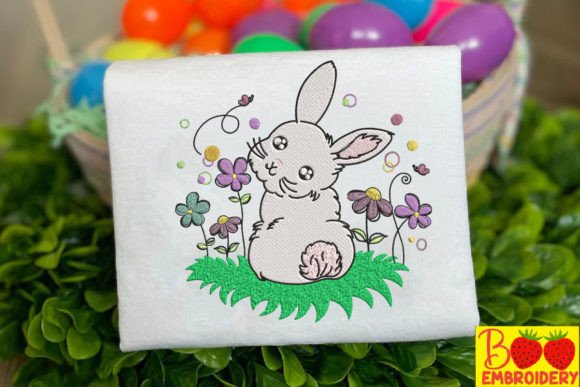
Lovely White Rabbit in the Flower Garden
A Seasonal Embroidery Designer’s First Look
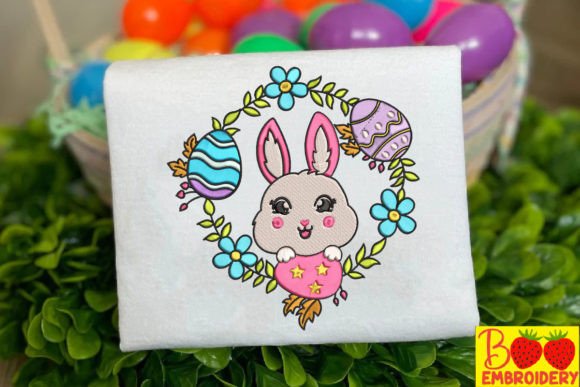
As an embroidery designer who’s built dozens of holiday collections for Etsy sellers, craft fairs, and small-batch apparel brands, I opened Lovely White Rabbit in the Flower Garden expecting charm—and found something more: a cohesive seasonal mood with quiet storytelling. The design radiates gentle nostalgia and springtime softness—neither overly cartoonish nor too delicate for everyday wear. It feels cozy and playful, with just enough botanical detail to suggest Easter without leaning into overt religious or commercial clichés. That balance makes it versatile across age groups and product types.
Real-World Holiday Product Performance
Lovely White Rabbit in the Flower Garden shines where emotional resonance meets practical production. On sweatshirt embroidery, its rounded shapes and open negative space hold up beautifully—even at medium hoop sizes—making it ideal for family matching sets. As a tote bag design, it reads clearly from a distance while inviting closer inspection of petal textures and rabbit fur strokes. For kitchen towel embroidery, the floral framing adds warmth without overwhelming the utility of the item. And on pillow covers or embroidered patches, the composition stays balanced whether centered or scaled down for corner accents.
This machine embroidery design also supports strong gift bundles: pair it with pastel linen napkins, a mini embroidered ornament, and a handwritten tag for a ready-to-gift spring set. Etsy sellers will find it highly mockup-friendly—its clean lines translate well to printable mockups and social media previews. When used across table linens, aprons, and baby onesies, it builds visual recognition for a cohesive shop aesthetic. That consistency strengthens brand trust during peak holiday shopping, especially when shoppers return looking for “that sweet rabbit collection” they saw last March.
Where to Use It Thoughtfully
Like any seasonal embroidery, Lovely White Rabbit in the Flower Garden requires thoughtful placement. Avoid using it on curved caps unless you’ve confirmed the file includes proper underlay and reduced stitch density for stretchy, contoured surfaces. On thick towels or dense canvas, test stabilizer layers first—especially tear-away plus light cut-away—to prevent puckering around fine flower stems. Dark fabric demands careful thread color selection; what reads as soft lavender on ivory may vanish on navy unless you swap to high-contrast pastels or metallics (though metallic thread should be tested separately—it can snag on layered petals).
Small hoop sizes (under 4x4 inches) require special attention: zoom in on the digital embroidery file before stitching to ensure no tiny details—like whiskers or leaf veins—are lost in compression. Likewise, avoid shrinking the design below 70% without verifying clarity in your embroidery software. Stretchy garments like knit tees need basting + topping stabilizer to keep the rabbit’s outline crisp after repeated washing. And if you’re planning embroidered patches, confirm whether the file includes satin-stitched borders or needs reinforcement for iron-on backing.
Emotional & Commercial Impact During Holiday Seasons
Seasonal embroidery isn’t just about timing—it’s about triggering memory, comfort, and intention. Lovely White Rabbit in the Flower Garden taps into quiet joy rather than loud celebration, which expands its shelf life beyond Easter Sunday. Buyers see it and think “spring brunch,” “new baby gift,” “grandmother’s kitchen,” or “handmade heirloom”—not just “holiday decoration.” That emotional breadth increases giftability and perceived value, especially for personalized gifts where customers pay a premium for meaning over mass production.
For small shop products, this design helps differentiate listings in crowded marketplaces. A single cohesive motif across multiple items (tote + towel + pillow cover) signals professionalism and curation—key drivers of customer trust during high-stakes holiday buying. And because it avoids dated trends or overly specific iconography, it supports long-term brand consistency. You won’t need to retire it next year or rebrand your entire spring line.
Practical Designer Notes Before You Stitch
- Test thread colors on both light and dark fabric swatches—especially for floral accents that may shift tone depending on base color.
- Check stitch density in your embroidery software. High-density areas near the rabbit’s face or flower centers may benefit from slight underlay reduction for smoother texture on lightweight fabrics.
- Confirm hoop size compatibility before listing finished products. If your standard shirt embroidery uses a 5x7 hoop but the file maxes out at 4x4, adjust your product photography and descriptions accordingly.
- Use appropriate stabilizer based on fabric texture—not just weight. A smooth cotton poplin behaves differently than slubby linen or terry cloth.
- Create realistic mockups using actual stitch files—not flat vectors—to preview how thread sheen and texture affect perception.
- Review small details post-stitch: check whiskers, petal edges, and rabbit ear contours under natural light. Tiny inconsistencies become obvious in photos and physical displays.
- Plan matching color palettes across your product range—e.g., mint thread on cream towels, blush on oatmeal sweatshirts—to reinforce cohesion.
- Verify commercial licensing before selling finished seasonal products. Since this is a digital embroidery file, confirm whether resale rights are included or require separate permission.
Ultimately, Lovely White Rabbit in the Flower Garden isn’t just another holiday embroidery—it’s a strategic seasonal asset. It works quietly but powerfully across handmade gift categories, supports scalable production for small shops, and invites repeat engagement through warmth rather than trend-chasing. Whether you’re launching your first Easter collection or refreshing a beloved spring line, this machine embroidery design earns its place—not because it shouts, but because it belongs.